
 Image 1 of 4
 Image 2 of 4
 Image 3 of 4
 Image 4 of 4
Tested · Certified · Licensed
Proof in every jar.
The grade on the label is checked independently, batch by batch. Here's what stands behind every jar of UMF™ 31+.
1711+
MGO minimum, mg/kg
Every batch of UMF™ 31+ is tested for a minimum of 1711 mg/kg naturally occurring methylglyoxal (MGO), a key measure of potency.
4
Markers tested
MGO for potency, leptosperin for authenticity, DHA for shelf life and HMF for freshness. Leptosperin comes only from Mānuka nectar.
3076
UMF licence
Rare New Zealand is a licensed UMF producer, licence no. 3076. Every batch is independently tested and certified by the UMF Honey Association.
100%
New Zealand Mānuka
Produced and harvested by Rare New Zealand beekeepers, then packed and sealed in New Zealand. Nothing added.
Check it yourself: view the UMF™ 31+ certificate, or find Rare New Zealand on the UMF Honey Association's register of certified brands.
UMF licence 3076 · FernMark licence 100609UMF™ 31+ · MGO 1711+
Know your Mānuka.
Grade, flavour, testing and delivery. Everything you need before you choose your jar.
About UMF™ 31+
UMF™ 31+ is the highest grade in the Rare range, in our Premium collection alongside UMF™ 25+. It's made to be enjoyed slowly, by the spoonful. Mānuka flowers for only a few weeks each year, and only part of each harvest reaches a grade this high.
Flavour and how to enjoy it
Intense, complex and exceptionally rich. Best enjoyed by the spoonful, on its own, to appreciate its full character. Keep it away from hot drinks and hot food.
What UMF and MGO mean
UMF (Unique Mānuka Factor) is New Zealand's independent grading system for Mānuka honey. Each batch is tested for four naturally occurring markers: MGO, leptosperin, DHA and HMF. The higher the UMF number, the higher the MGO. UMF™ 31+ means a minimum of 1711 mg/kg.
Ingredients and storage
100% New Zealand monofloral Mānuka honey. Contains a minimum of 1711 mg/kg naturally occurring methylglyoxal (MGO). Store in a cool, dry place out of direct sunlight. Not suitable for infants under 12 months.
UMF batch certificate
Every batch is independently tested and certified by the UMF Honey Association. View the UMF™ 31+ certificate. Rare New Zealand is also listed on the UMF Honey Association's register of certified brands.
Shipping and returns
Free shipping on all New Zealand orders, with no minimum spend. Orders placed before 2pm on a working day go out the same day, by NZ Post, and usually arrive within 3–5 working days, with tracking emailed when they ship. Not completely happy? Contact us within 30 days of receiving your order for a return or replacement. Shipping · Returns policy
What's the difference between UMF™ 25+ and UMF™ 31+?
UMF™ 31+ has a higher minimum MGO (1711 mg/kg against 1200 mg/kg) and a complex, exceptionally rich flavour. It is the highest grade in the Rare range.
Why does high-grade Mānuka cost more?
Higher grades are rarer. Every jar is independently tested and certified, so the grade on the label is the grade in the jar.
Find your grade.
The higher the UMF number, the higher the minimum MGO. Every grade is independently tested and certified.
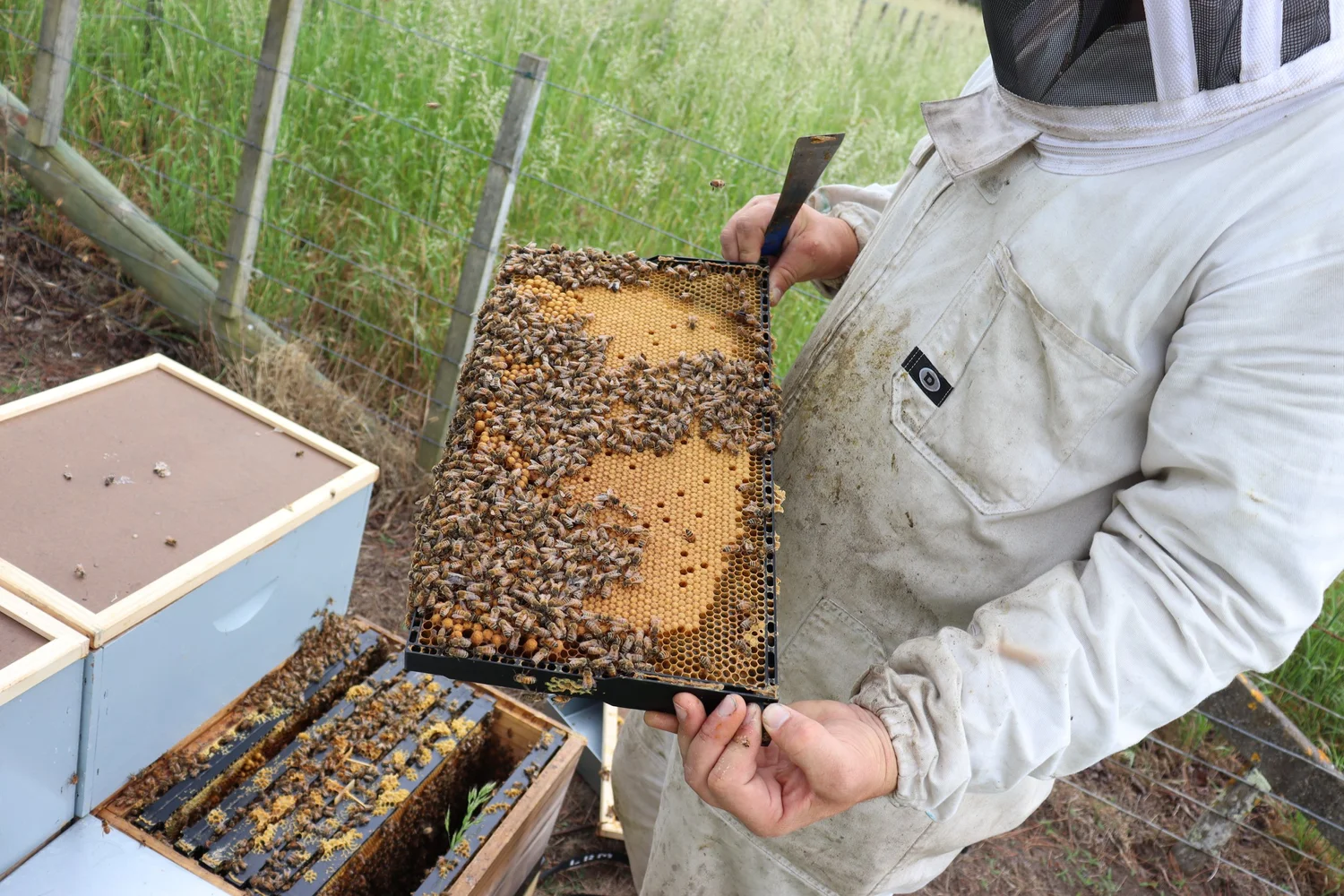
Hive to Home
From our hives to your home
Rare New Zealand beekeepers look after every hive and bring in every harvest. Then each batch is tested and certified before it reaches your jar.
See how it's madeUMF™ 31+ · Questions
Your questions, answered.
What people ask us most about UMF™ 31+, from how to enjoy it to how we prove the grade.
How do I enjoy UMF™ 31+?
Slowly, by the spoonful, on its own, as a quiet minute to yourself. You can also stir it through yoghurt or a cooled smoothie.
Can I have it on toast or in a drink?
Yes, as long as it stays under 40°C. Let your toast cool for a minute before you spread it, and stir it into drinks that are cool or at room temperature.
Does Mānuka have health benefits?
Mānuka has natural antibacterial, antioxidant and anti-inflammatory properties. MGO is the source of its special antibacterial properties and a key measure of potency, and UMF™ 31+ carries a minimum of 1711 mg/kg. Enjoy it as a natural health food, as part of a healthy lifestyle.
How do I know it's genuine Mānuka?
Every batch is independently tested for four markers. Leptosperin comes only from Mānuka nectar and can't be made artificially, so it confirms authenticity. MGO confirms potency, DHA shelf life and HMF freshness. You can view the UMF™ 31+ certificate.
Why has my honey thickened or gone grainy?
Natural Mānuka can firm up or crystallise over time. That's normal, and your jar stays true to its UMF grade for its shelf life. Keep it in a cool, dry place, and don't heat it above 40°C to soften it.
How long does it keep?
Until the best-before date on your jar. Store it in a cool, dry place out of direct sunlight, with the lid on. A clean, dry spoon each time keeps it at its best.
Where does Rare's Mānuka come from?
Our beekeeping is run from Hawke's Bay, with hives across the North Island. In the Mānuka season our beekeepers travel long distances to get hives into position, then bring in every harvest themselves. Every jar is produced, packed and sealed in New Zealand.


