
01 · Kia ora
A taste of New Zealand.
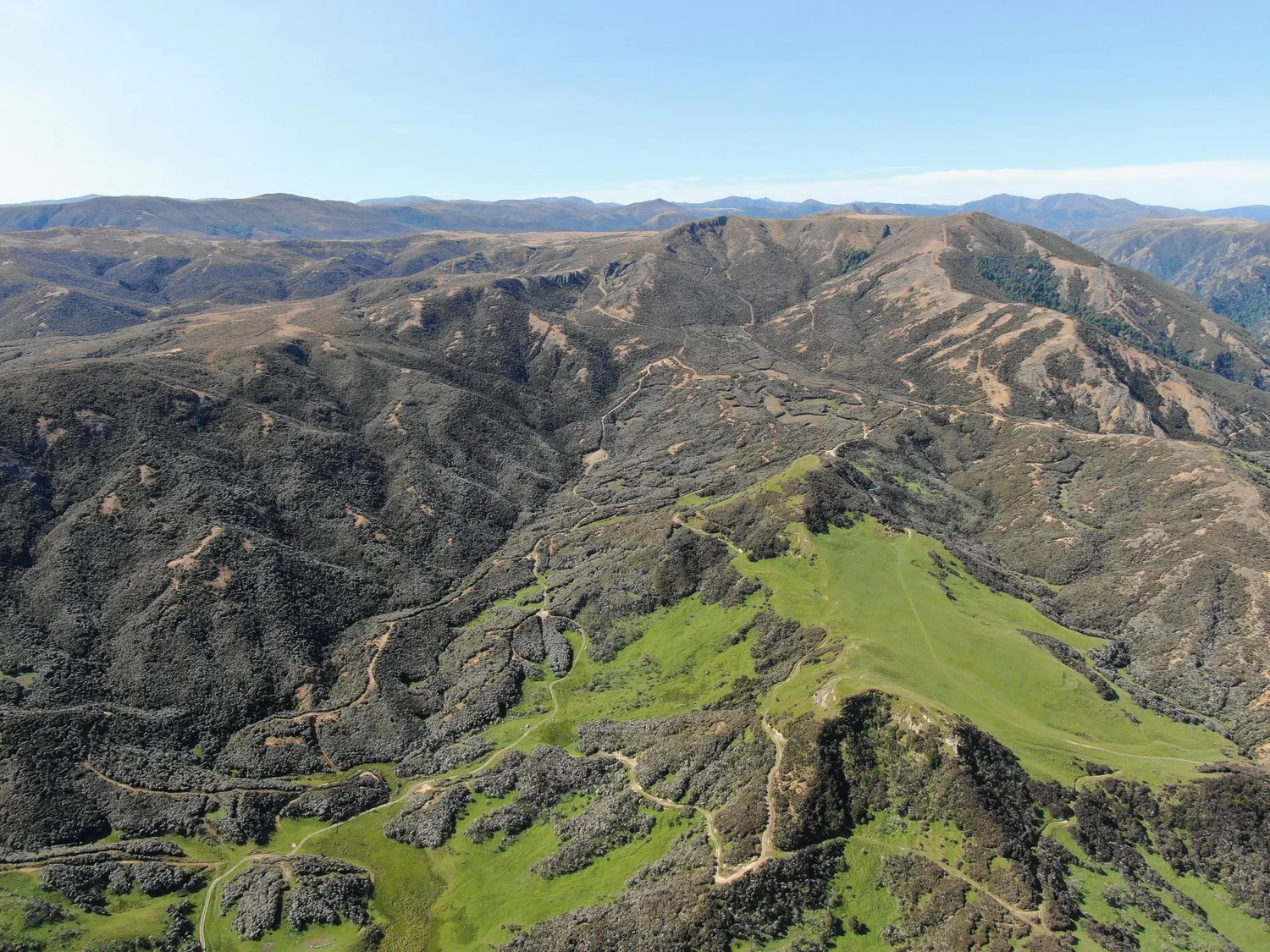
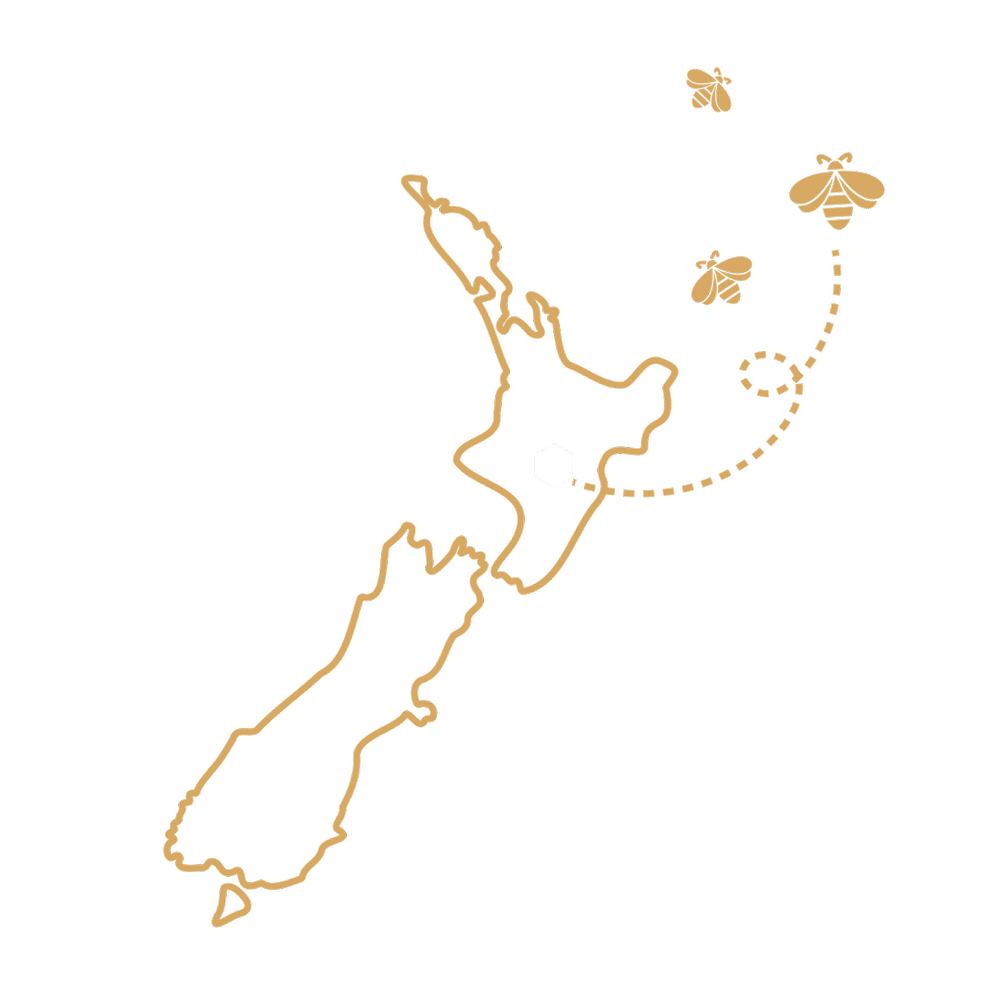
Kia ora, and welcome to the hive. Rare New Zealand is based in Hawke's Bay, and our beehives sit at sites across the North Island.
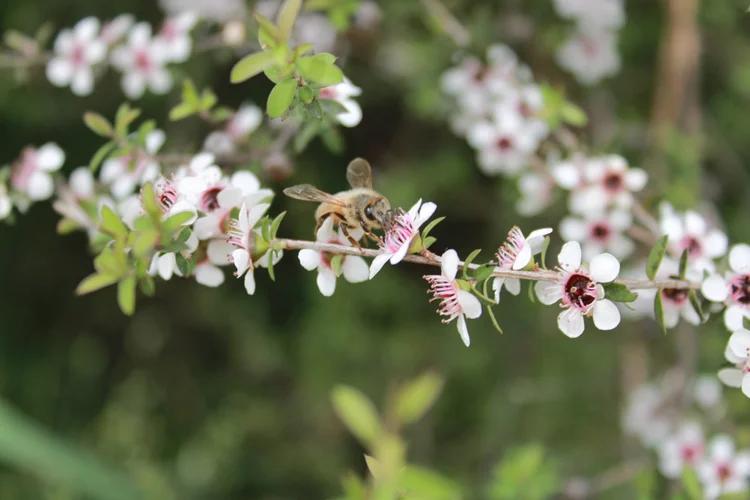
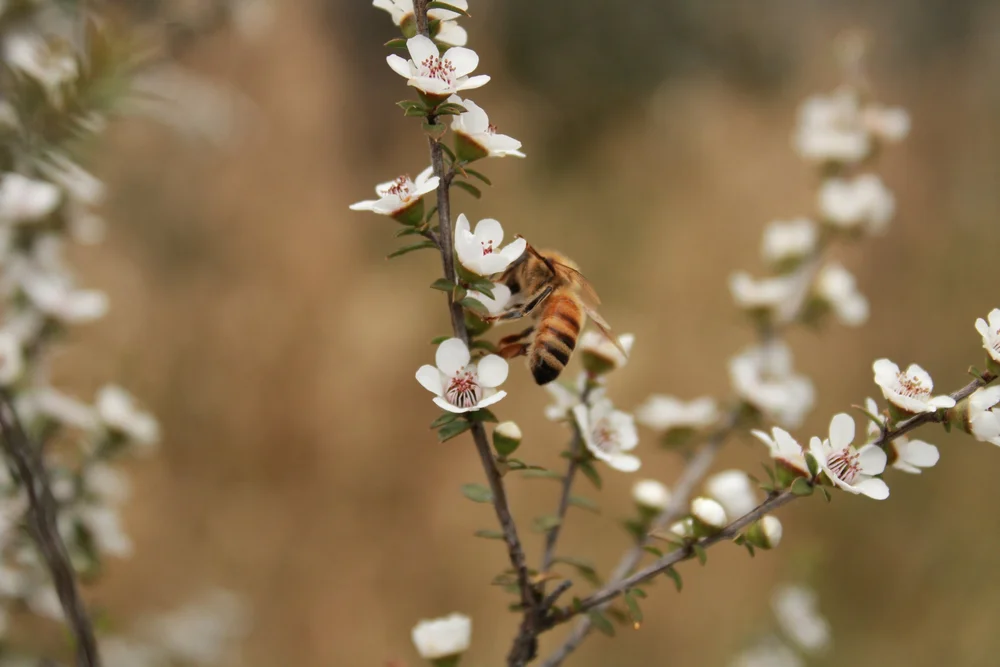
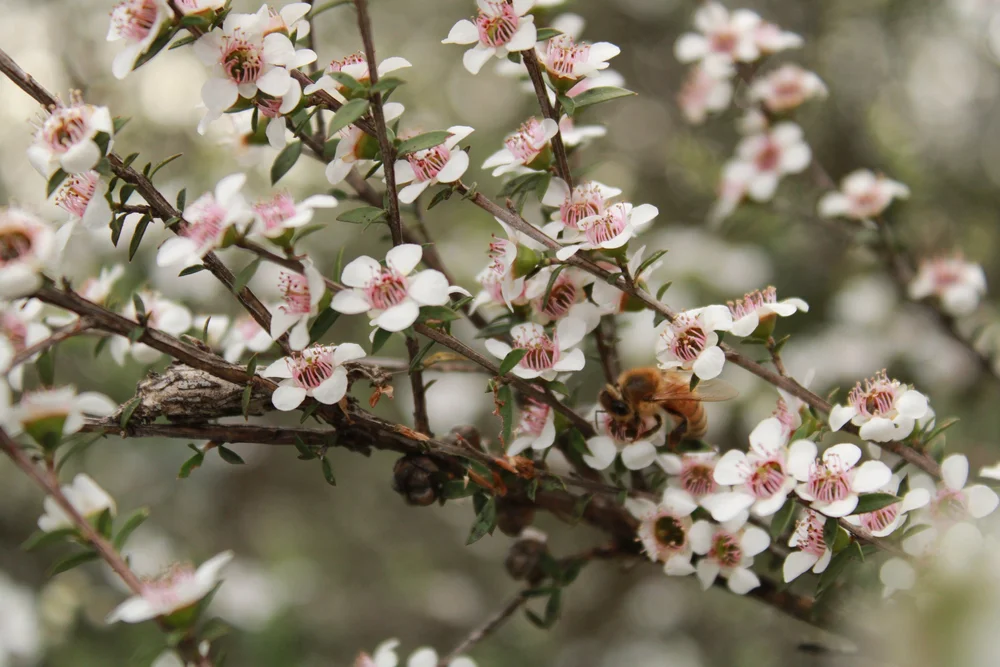
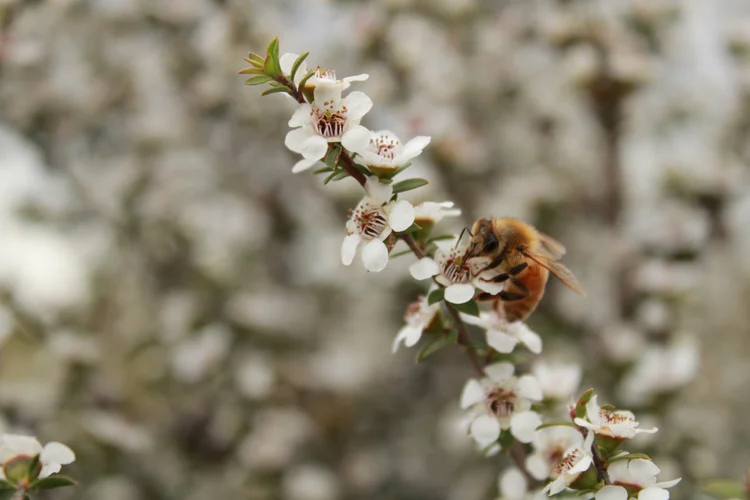
Our bees visit the white flowers of the Mānuka tree, and our beekeepers gently collect some of their honey.
02 · The tree
Meet the Mānuka tree.
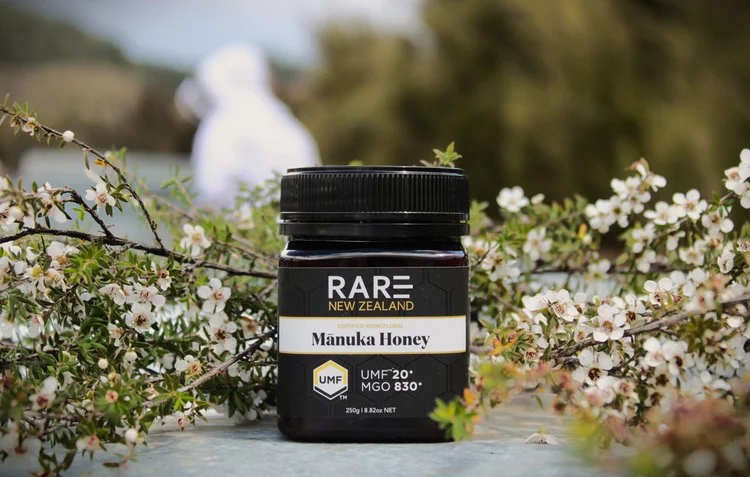
Mānuka grows wild in New Zealand. Say it like this: MAH-noo-kah.
Its science name is Leptospermum scoparium. Try saying that.
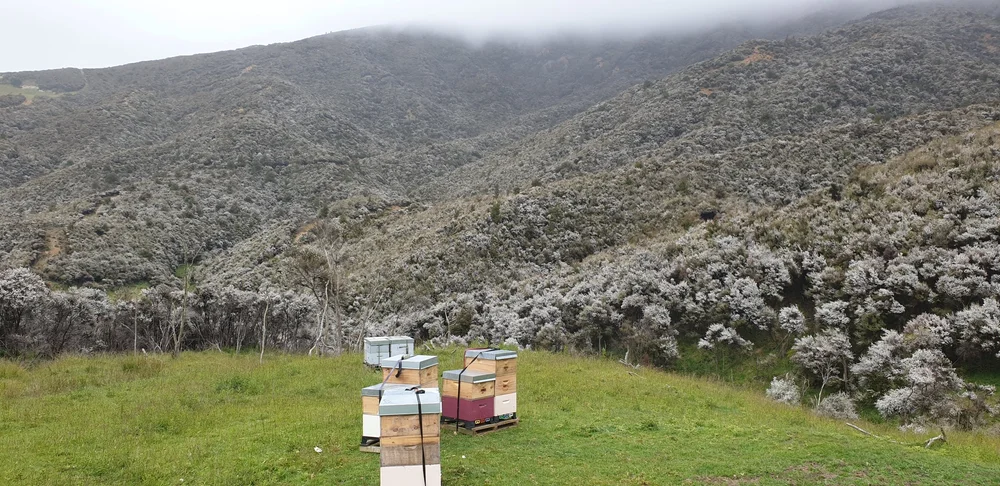
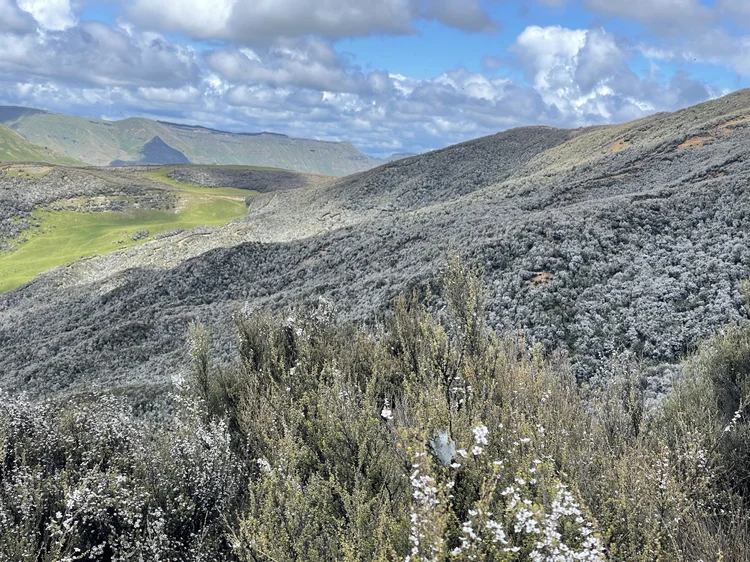
It flowers for just 2 to 6 weeks, around Christmas, which is summer in New Zealand. When it does, whole hills turn white with blossom.
03 · A treasure of Aotearoa
Say it in Māori.
Aotearoa is the Māori name for New Zealand, and Māori are the first people of Aotearoa. Mānuka is a Māori name, and Māori regard Mānuka as a taonga, a treasure.
Tap a card to find out what each word means and how to say it.
04 · The story so far
The story of Mānuka honey.
Māori treasure the Mānuka tree and use it in many ways.
Mary Bumby, from Thirsk in Yorkshire, England, brings what were probably Aotearoa's first honey bees. Her bees lived beside Mānuka bushes.
Scientist Peter Molan finds something in Mānuka honey that most other honeys don't have. It became known as the Unique Mānuka Factor, or UMF™.
Mānuka honey from Aotearoa is enjoyed by people all around the world.
When was the very first jar of Mānuka honey made?
Nobody knows for sure. Mary's bees lived beside Mānuka bushes, so Aotearoa's very first honey may have been Mānuka honey.
05 · The honey
What makes Mānuka honey special?
One flower
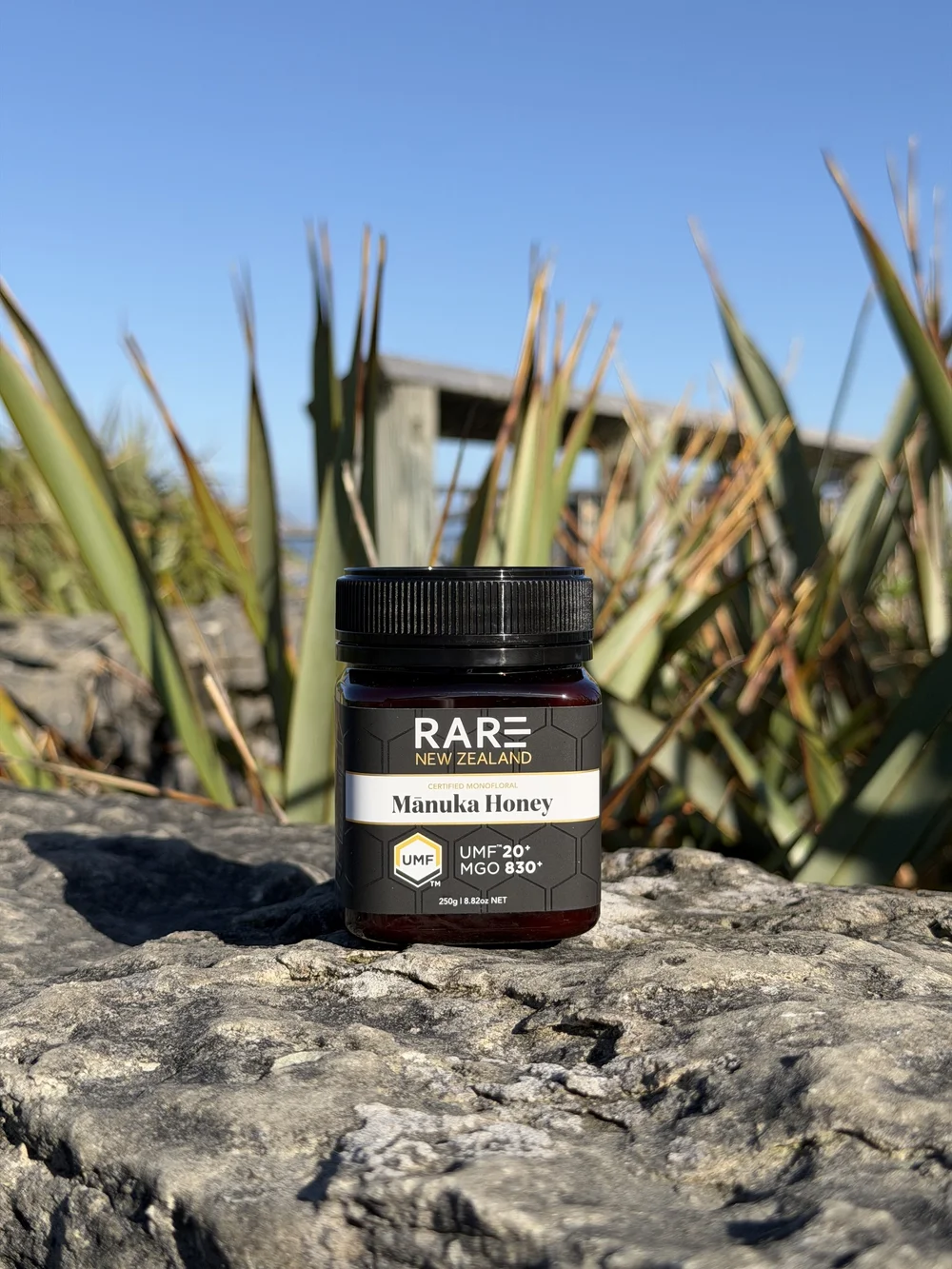
Our jars say monofloral. Mono means one and floral means flower: honey made mostly from Mānuka nectar.
Truly rare
Mānuka only flowers for 2 to 6 weeks each year, so there is never very much of this honey.
Dark and rich
It is darker and less sweet than most honey, with a rich, earthy taste.
From Aotearoa
Mānuka is a native New Zealand tree. Scientists compared it with Mānuka from Tasmania, Australia, and found the trees are different. Only honey made, packed and sealed in New Zealand can wear the UMF™ mark.
06 · The bees
Who's who in the hive?
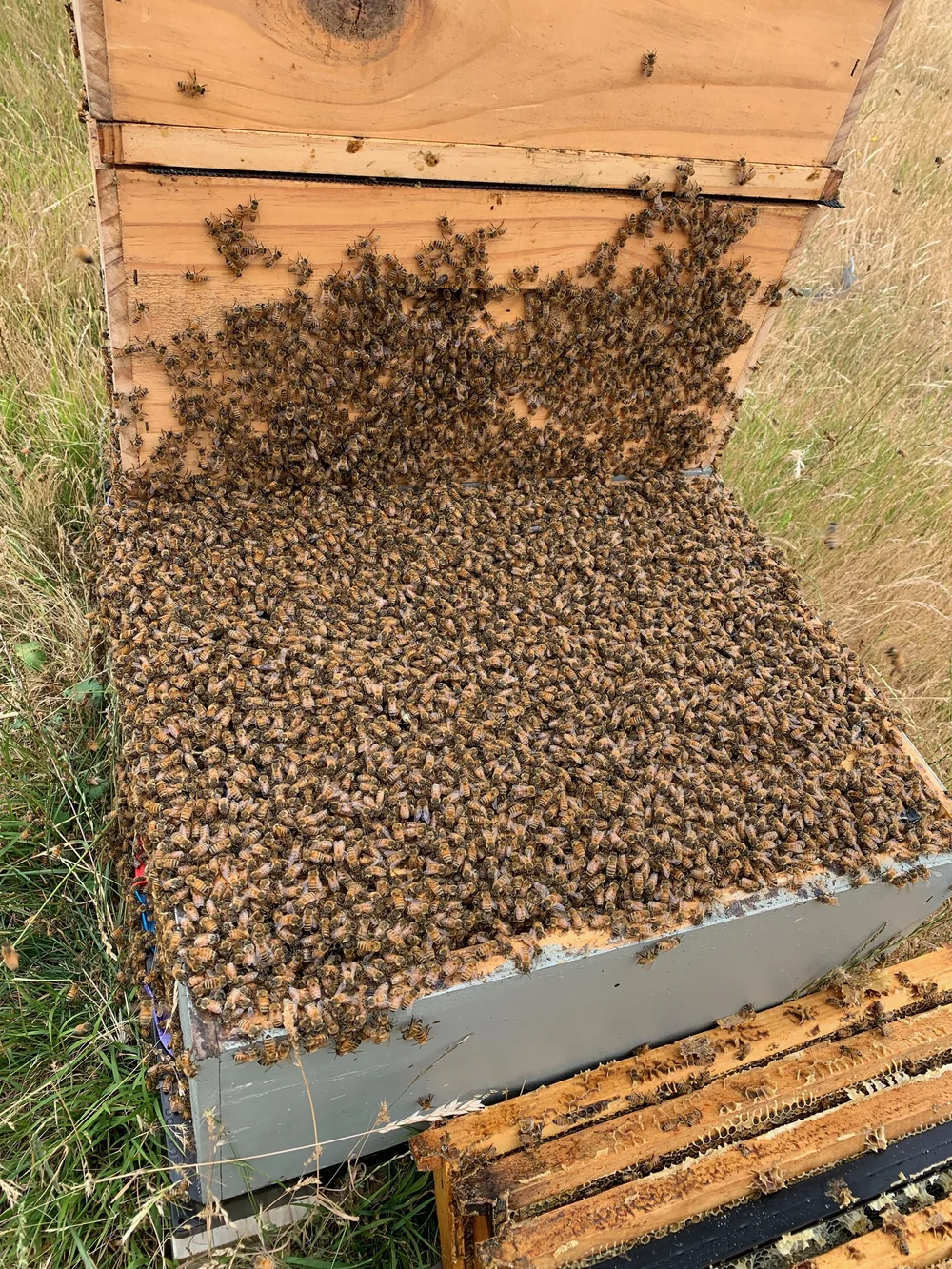
Around 50,000 bees can live in one healthy hive. Meet the family.
The queen
Just one per hive. She is the mum of the whole family and lays all the eggs.
The workers
All girls. They collect nectar, build honeycomb and make the honey.
The drones
The boys. Their one job is to help a queen start a new bee family. They have no sting.
Bee superpowers.
Two big eyes, plus three tiny ones on top of the head.
A bee flaps its wings about 200 times a second. That is the buzz.
A waggle dance shows other bees the way to the best flowers.
One bee makes about one twelfth of a teaspoon of honey in her whole life.
07 · How honey is made
From flower to jar.
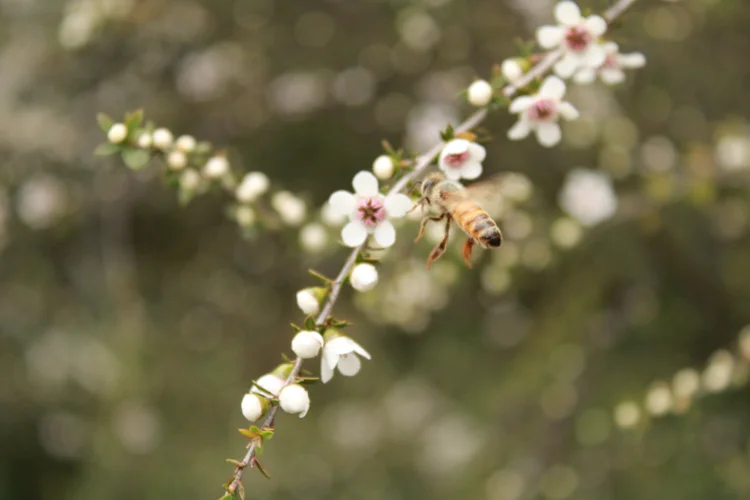
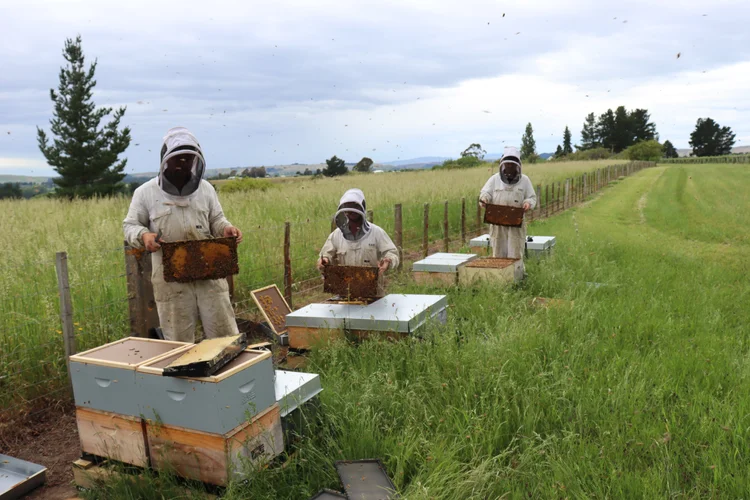
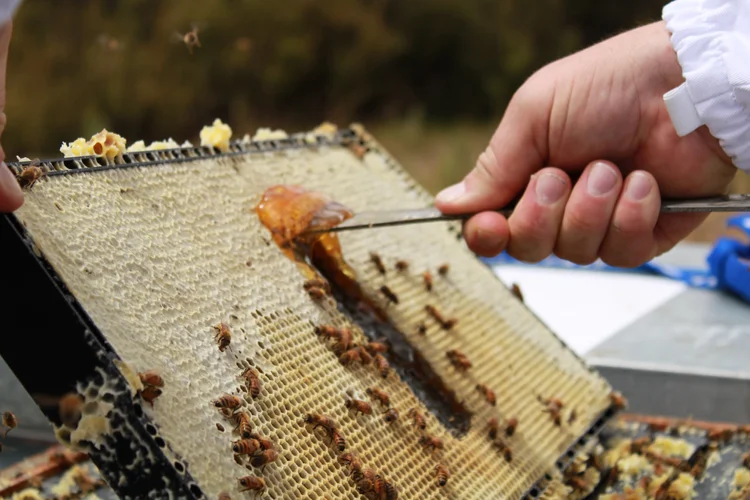
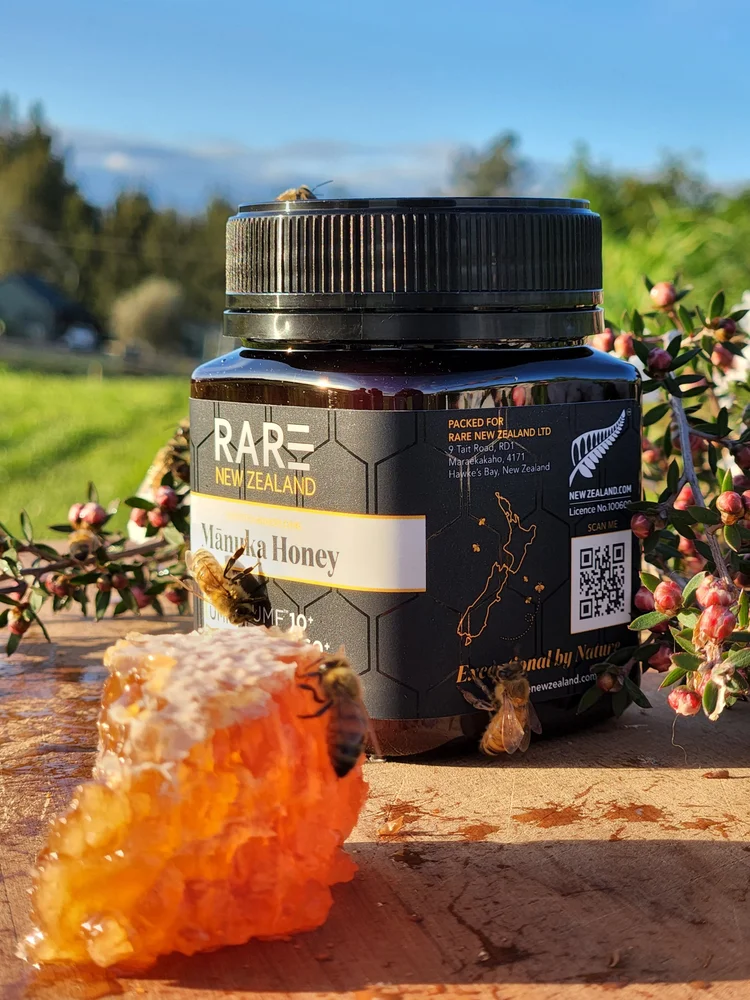
Can you put the four steps in the right order? Tap them one at a time.
Try this: can you act out all four steps?
08 · Wild places
Bees that fly by helicopter.
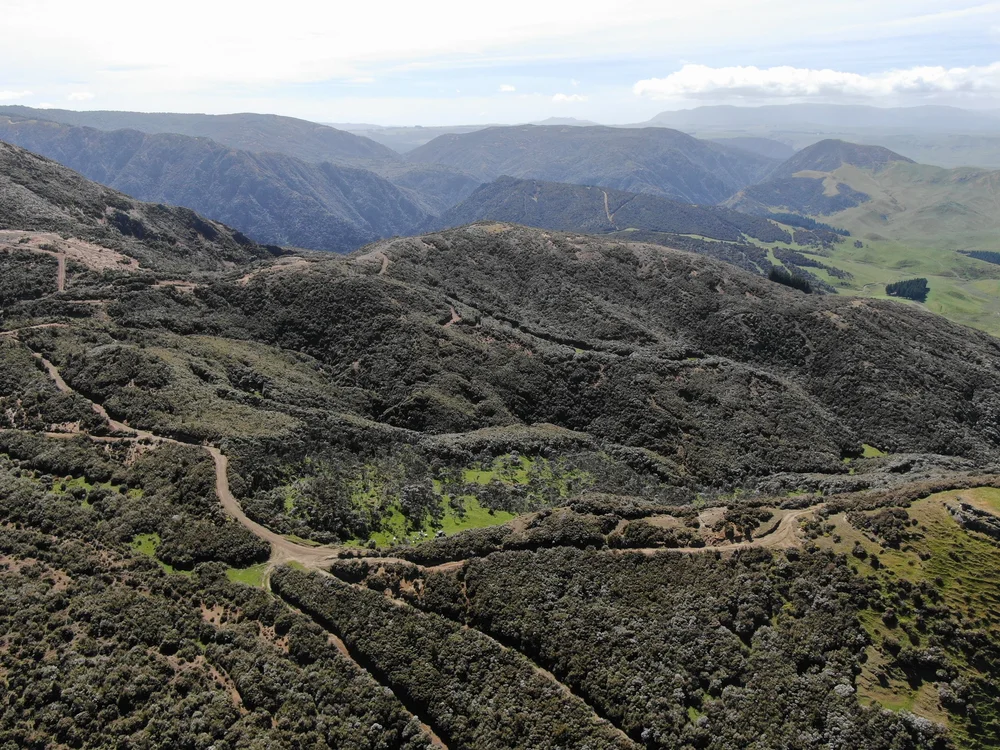
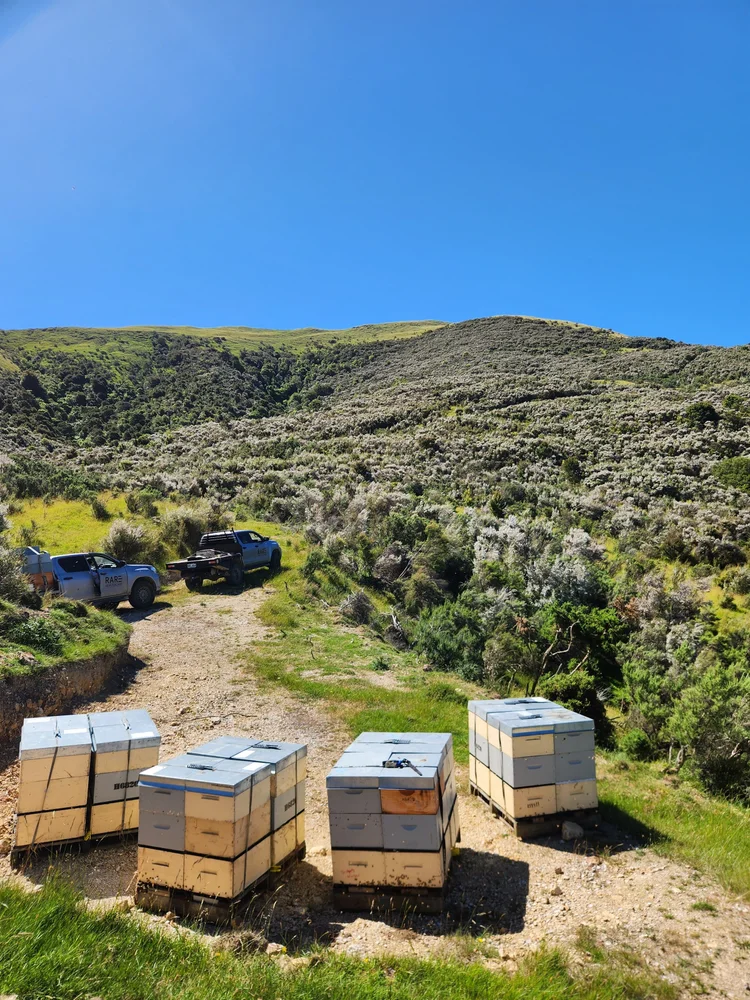
Mānuka grows on wild, faraway hills. So how do the beehives get there? They fly.
Our hives are carried by helicopter to hills far from towns and farms. Out there, the hills turn white with Mānuka flowers.
Try this: can you spot the beehives hanging under the helicopter?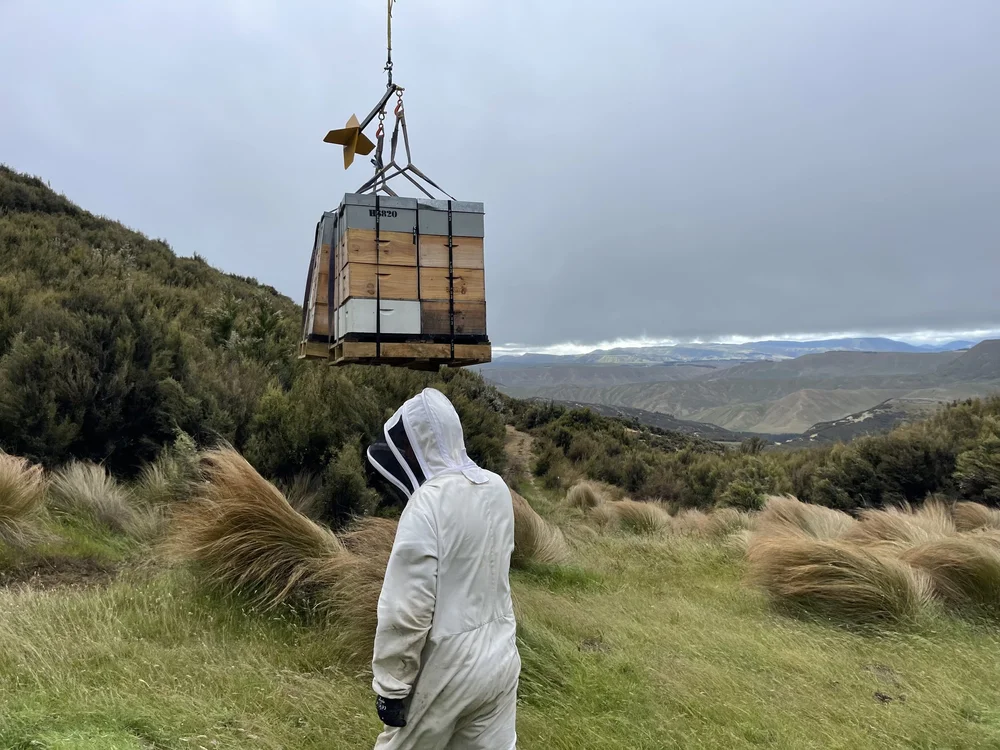
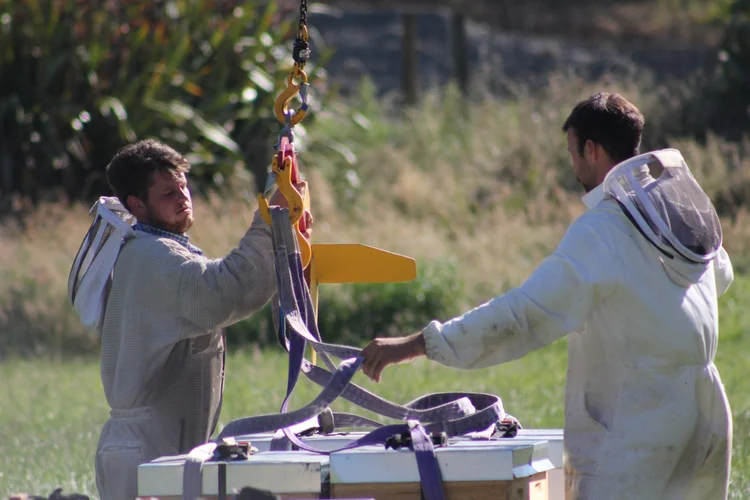
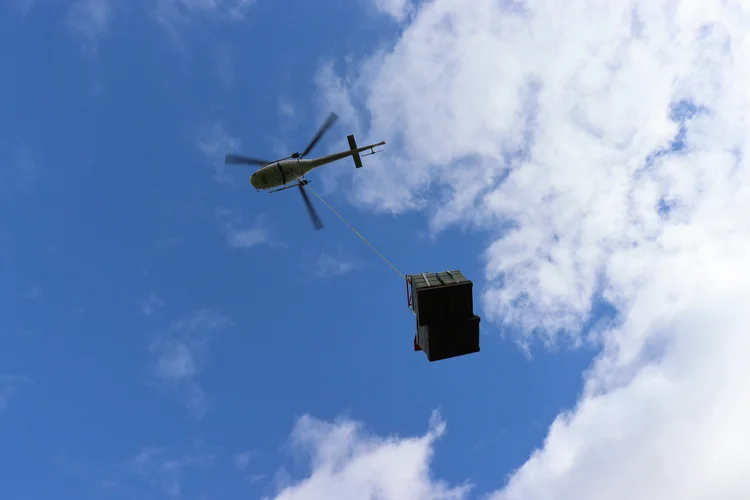
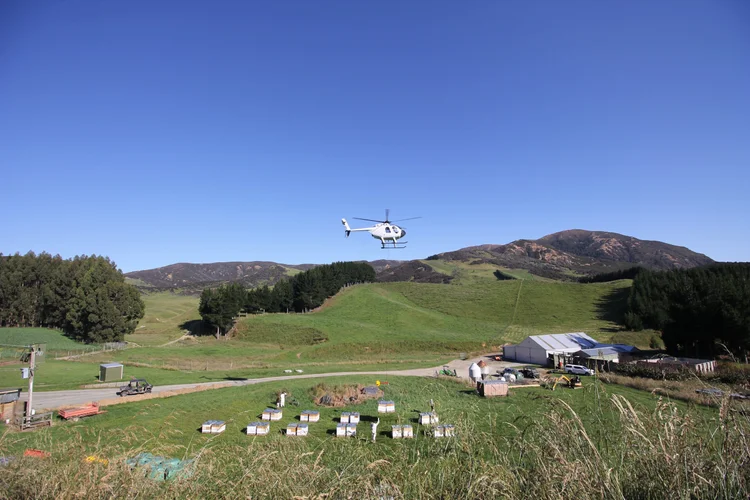
Look closely
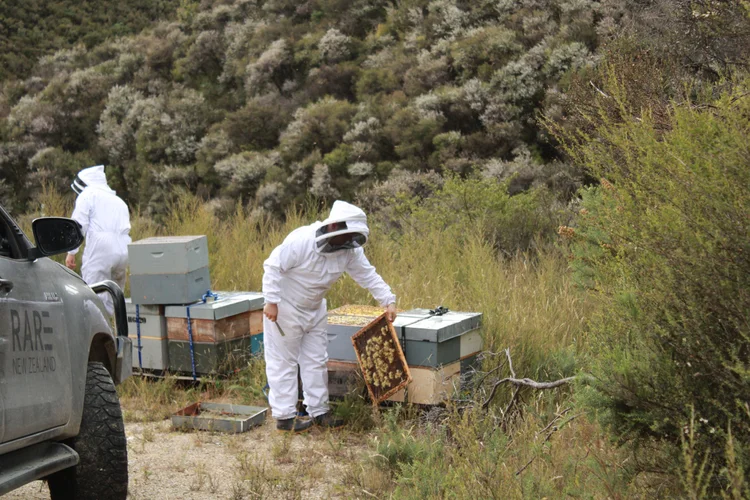
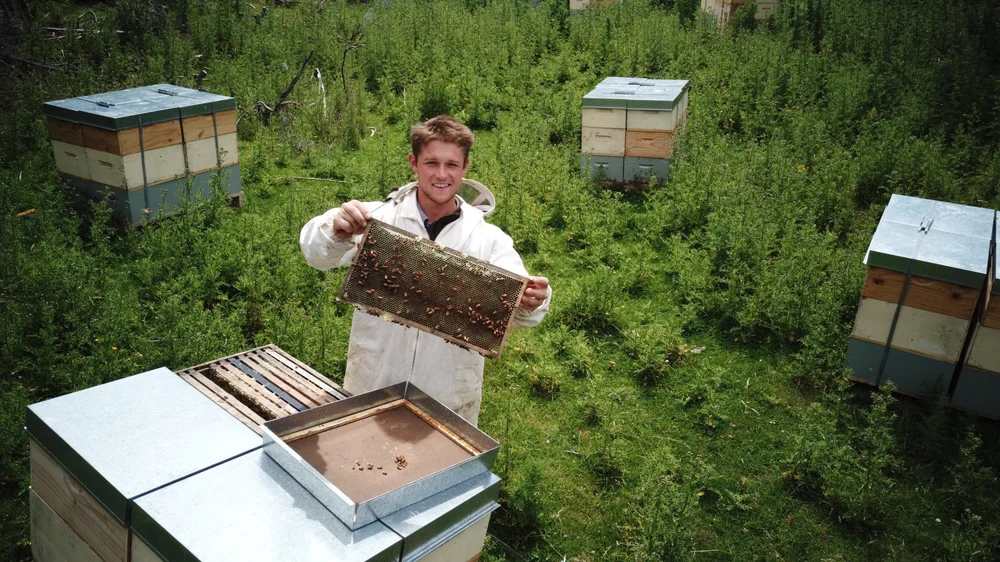
Can you spot it?
Look carefully at each photo, then tap to check your answer.
09 · The people
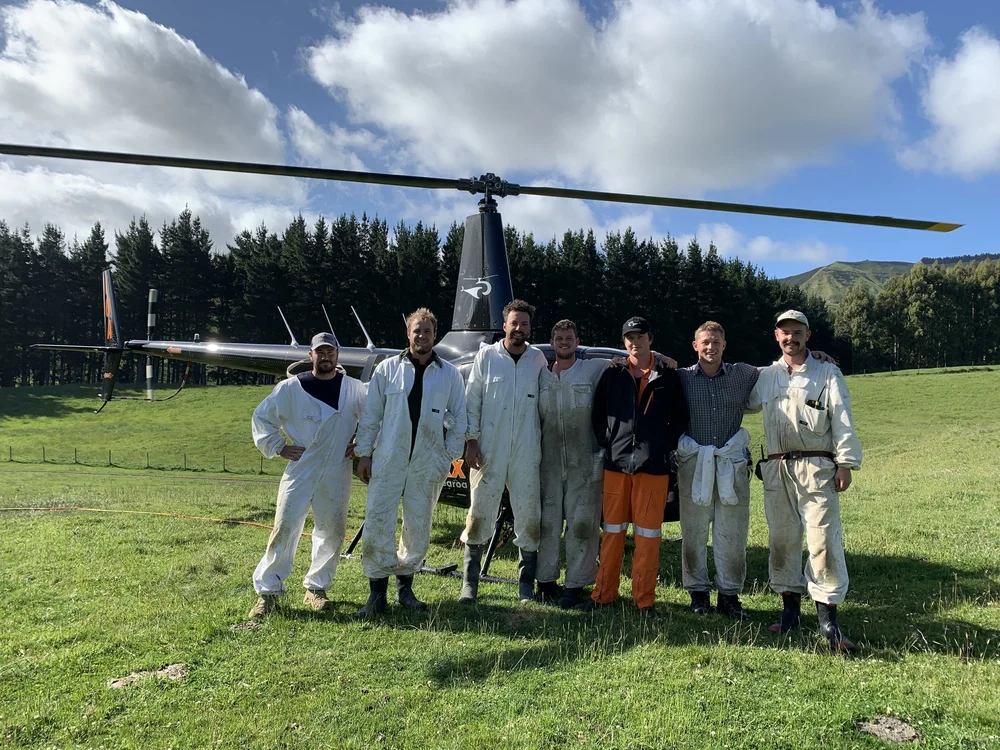
Meet the beekeepers.
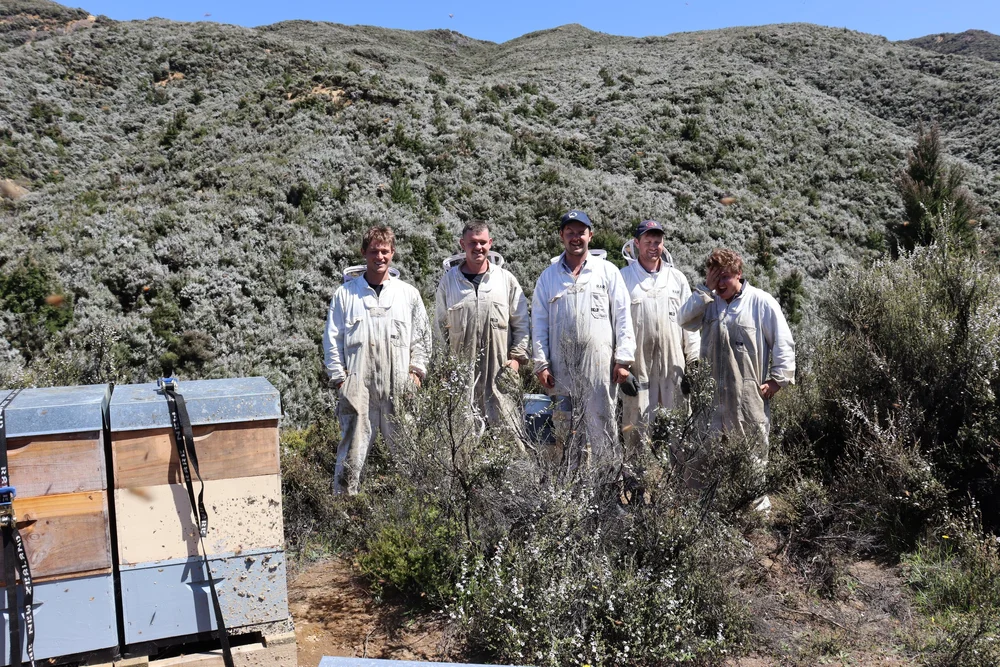
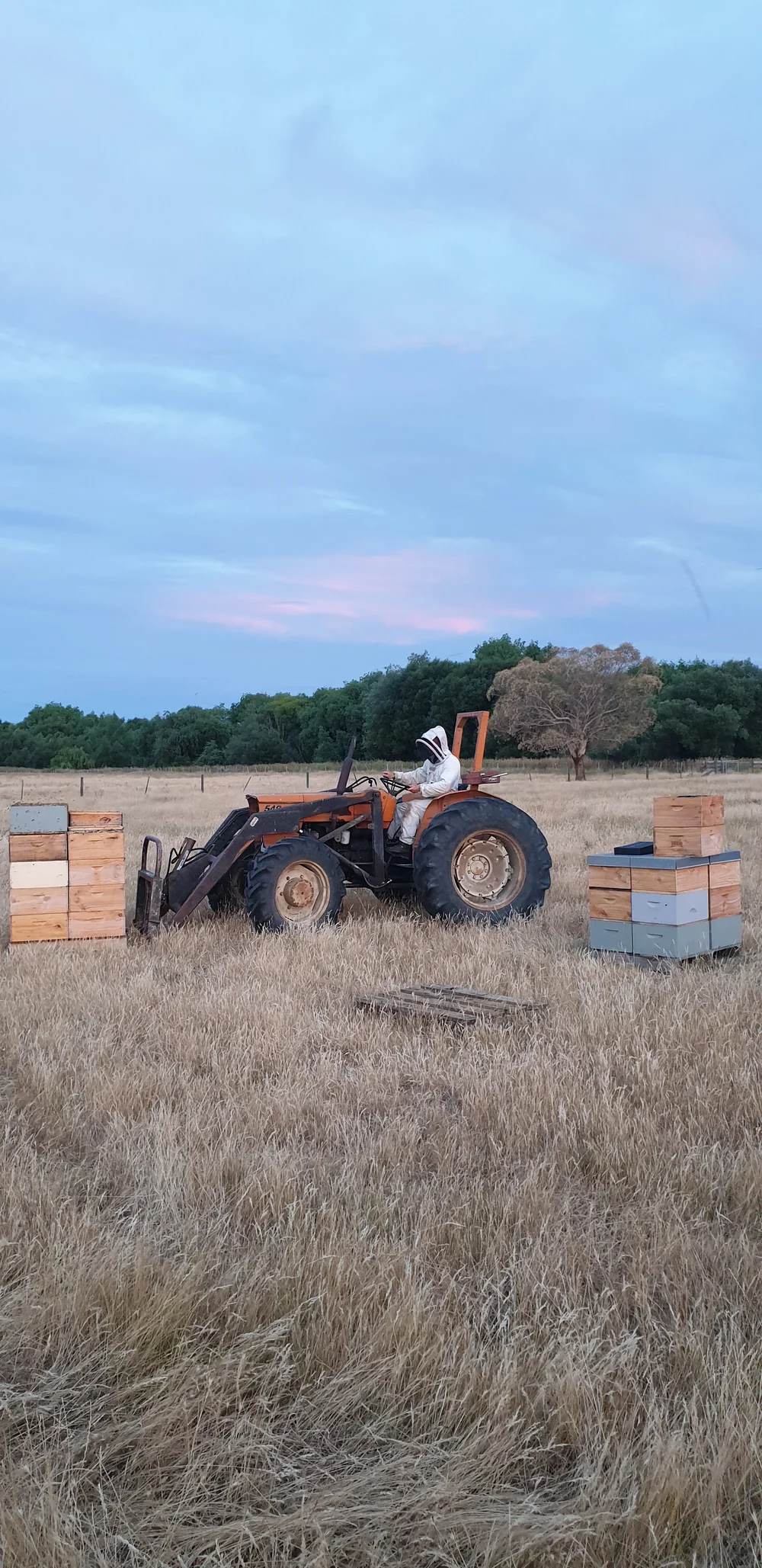
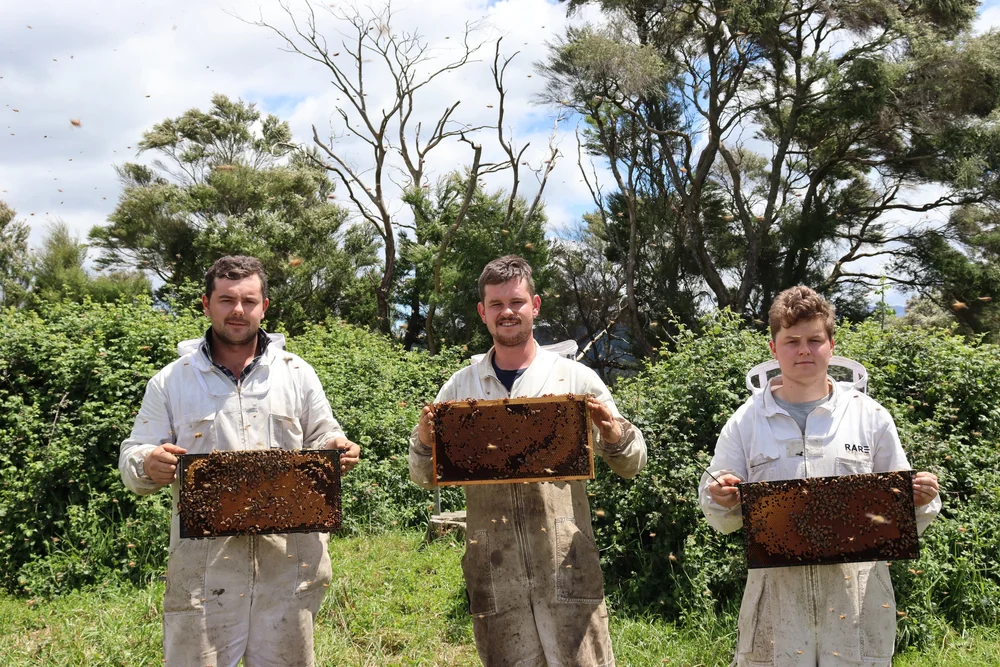
Our beekeepers look after the bees and their hives.
They wear white suits, and often veils, so they can work gently around the bees. They collect the honey in small batches.
In Māori, a guardian is a kaitiaki (kye-tee-ah-kee). Our beekeepers are guardians of the bees and the land.

Luke
Beekeeper and director at Rare New Zealand

Mikey
Beekeeper and director at Rare New Zealand

Tommy
Beekeeper and director at Rare New Zealand
10 · Bees and our food
Why bees matter.
Around one third of the food we eat depends on pollination. That is the important job bees do when they fly from flower to flower.
11 · Giggle break
Time for a giggle.
Tap a joke to see the answer.
Your turn: can you make up your own bee joke?
12 · Honey science
Tested by scientists.
Before a jar can wear the UMF™ mark, scientists test the honey for four things.
Is it strong?
They measure MGO, a natural part of Mānuka honey.
Is it real?
They look for leptosperin, only found in Mānuka.
Is it fresh?
They check it is fresh.
Will it last?
They check it will stay good.
What do the numbers mean?
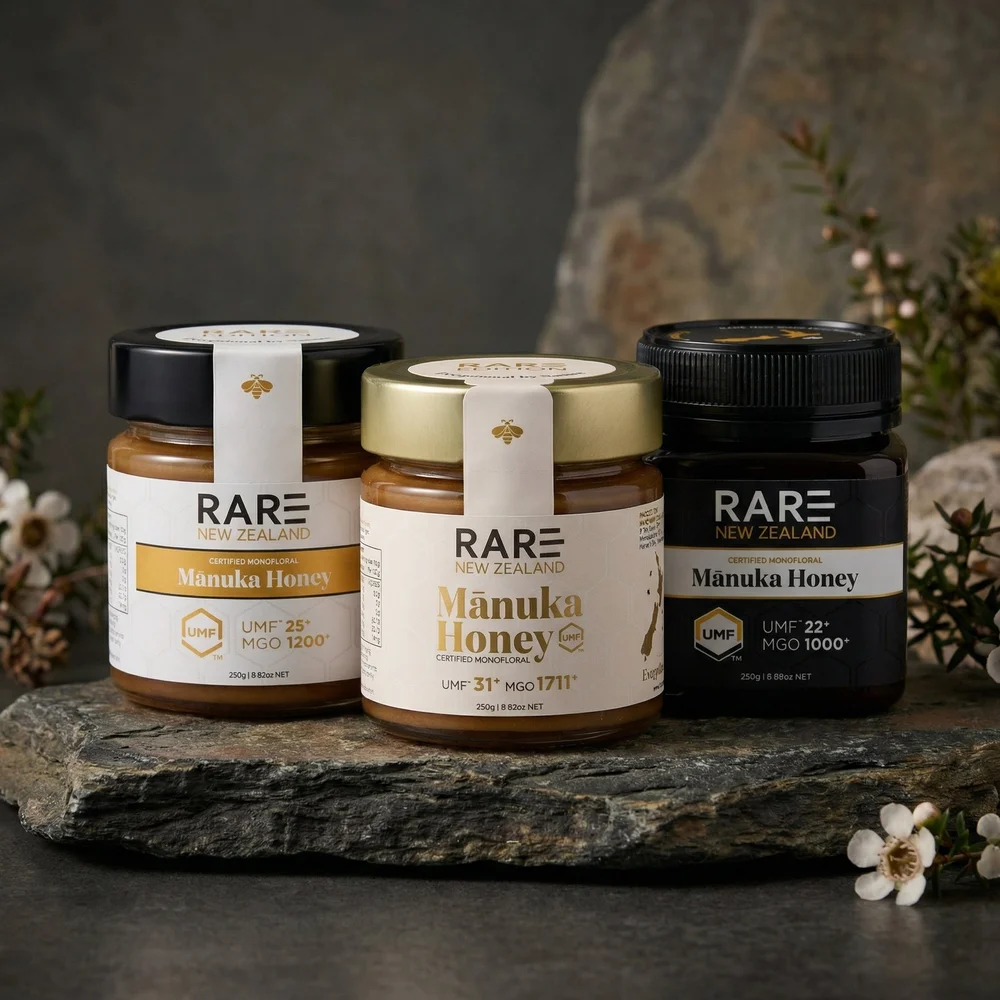
UMF™ stands for Unique Mānuka Factor. It is the score each batch of honey gets after testing. MGO is short for methylglyoxal. Say meth-il-gly-OX-al.
A lower number is lighter and milder. A higher number is stronger, richer and bolder. The bigger the number, the stronger the taste.
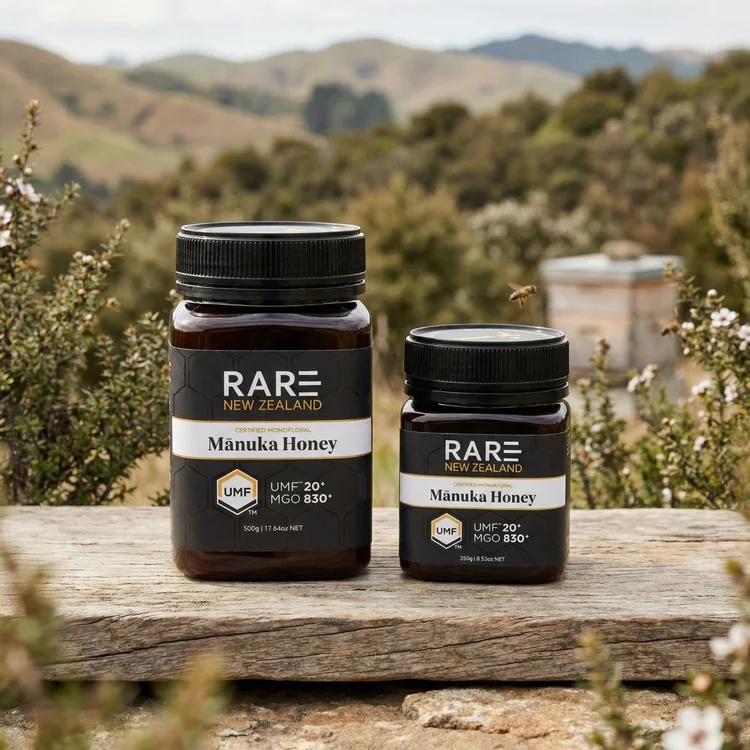
Try this: can you find the number on a jar at home?
13 · Yum
How do you eat it?
Keep it cool. However you enjoy Mānuka honey, keep it below 40°C. Heat can damage what makes Mānuka honey so special, so never add it to hot drinks or hot food.
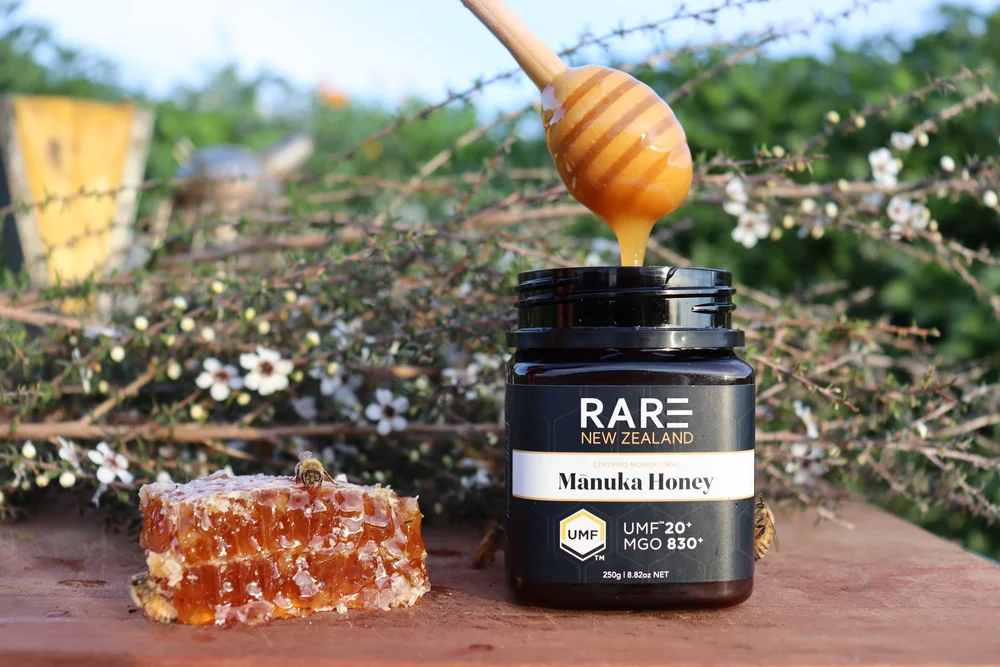
Which of these are good ideas? Tap to check.
14 · The Big Buzz Quiz
Are you a Mānuka master?
Fifteen questions. Play on your own or with your class. Pick A, B or C. No peeking.
15 · Keep exploring
More to buzz about.
Four things to try at home or in class.
Waggle dance
Hide a flower, then dance the directions so your friends can find it.
Design a label
Draw a label for your very own jar of honey.
Draw a bee
Draw a bee visiting a white Mānuka flower.
Ask a beekeeper
Write a question for our beekeepers and send it to us below.
16 · Take it further
Take the adventure home.
For teachers and parents
The school PDF.
- 28 pages, ready to print or show on screen
- Māori words, bee facts, Spot it and the Big Buzz Quiz
- A take-home page and an Official Mānuka Master certificate
Free for schools and families.
For kids
Show your family.
Write three things you learned about bees and Mānuka honey, then print it to share at home.
What you type stays on this device. We don't see it or save it.
17 · Ask our beekeepers
Send us a message.
Got a question about bees or Mānuka honey? Ask a grown-up to help you send it. Thank you for exploring with us.
We only use your message to answer your question. We don't share it. Read our privacy policy.